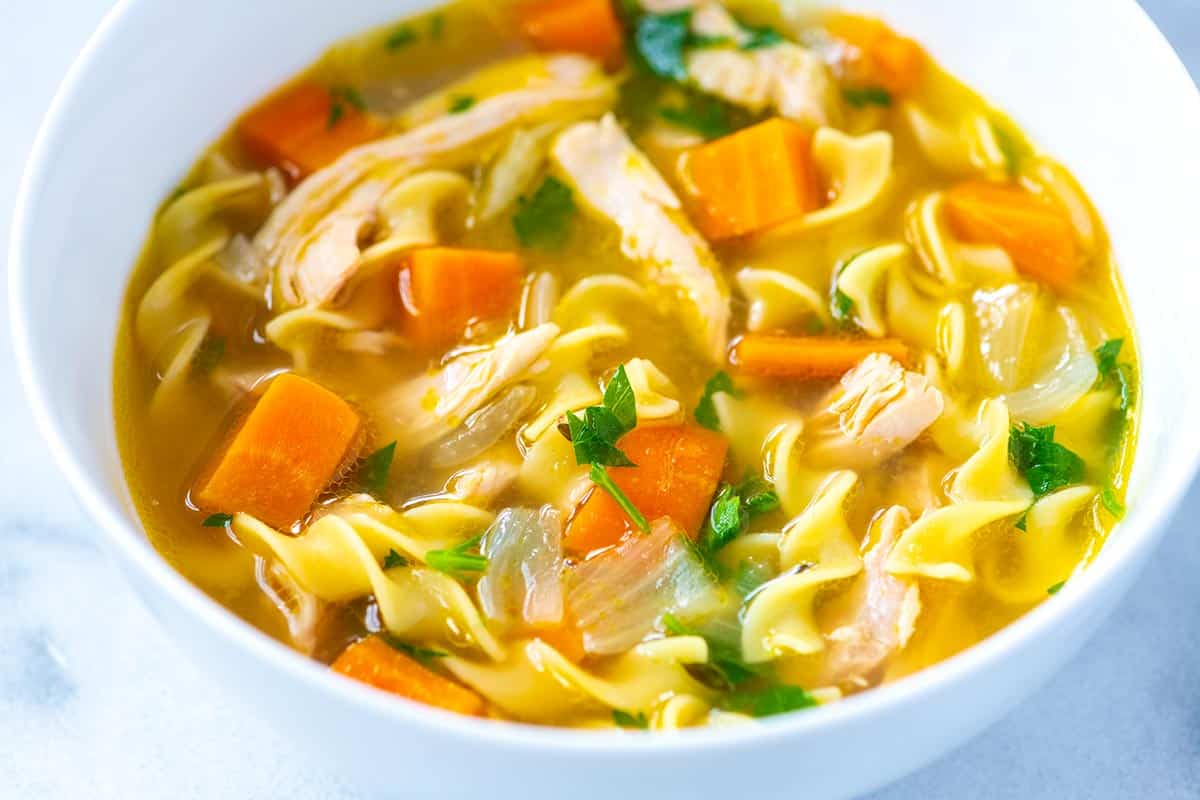
Unlocking the Ultimate Comfort: The Secrets to the Best Chicken Noodle Soup Recipe
There’s an undeniable magic to a bowl of chicken noodle soup. It’s the culinary equivalent of a warm embrace, a soothing balm for a weary soul, and the quintessential remedy for everything from a sniffle to a chilly evening. While countless variations exist, aspiring to create the *best chicken noodle soup recipe* often feels like chasing a grandmother's secret – a pursuit of flavor, depth, and unparalleled comfort. But what if we told you the key to unlocking that profound flavor isn't a secret at all, but a deliberate choice in ingredients and technique, particularly focusing on the often-underestimated power of dark meat chicken?
Forget the bland, watery broths and rubbery chicken of store-bought cans. This article delves into the core principles that elevate a simple soup to an extraordinary experience, revealing how humble chicken thighs and leg quarters, along with a few clever culinary moves, can transform your homemade chicken noodle soup into a rich, robust, and utterly unforgettable dish that you'll return to again and again.
The Unsung Heroes: Why Dark Meat Makes the Best Chicken Noodle Soup
When embarking on the quest for the *best chicken noodle soup recipe*, the choice of chicken is paramount. While chicken breasts are lean and convenient, they simply cannot deliver the depth of flavor that dark meat offers. This is where chicken thighs and leg quarters shine as the unsung heroes of magnificent soup. These cuts contain a higher fat content and more connective tissue than white meat, which, during the simmering process, slowly renders into the broth. This rendering doesn't just add richness; it infuses the liquid with profound savory notes, a silky mouthfeel, and a beautifully golden hue.
Using bone-in, skin-on chicken thighs or leg quarters further amplifies this effect. The bones contribute collagen, gelatin, and minerals, building a robust foundation for your broth, akin to a simplified bone broth, but achieved in a fraction of the time. The skin, while often discarded at the end, adds another layer of fat and flavor as it cooks down. This strategic choice of dark meat allows for a significantly shorter cooking time compared to using a whole chicken, yet it yields a broth so rich and flavorful, it tastes like it's been simmering for hours. The result is tender, juicy shredded chicken that remains succulent even after being added back to the soup, perfectly complementing the deep, complex broth. It truly is the secret ingredient for an easy homemade chicken noodle soup with quick, rich broth in under 40 minutes.
Crafting the Golden Nectar: The Art of a Flavorful Broth
A truly great chicken noodle soup hinges entirely on the quality of its broth. It's the soul of the dish, and achieving a rich, complex broth is an art form. While store-bought broths can be a time-saver, nothing compares to the layered flavor of a homemade version. Even a simplified, quick homemade stock will dramatically improve your soup.
One of the most impactful techniques for achieving unparalleled broth flavor is the "double mirepoix" method. Mirepoix – the classic aromatic base of diced carrots, celery, and onion – is traditionally simmered with the chicken. However, for the *best chicken noodle soup recipe*, we take it a step further. First, whole or roughly chopped mirepoix, along with garlic, bay leaves, and a few black peppercorns, are simmered with the dark meat chicken. These long-cooked aromatics impart deep, foundational flavors to the broth. Once the chicken is cooked and removed, and the broth has simmered sufficiently, these "spent" vegetables are strained out. This process ensures a clean, clear, and intensely flavored liquid base.
The second stage involves adding freshly sliced or diced carrots, celery, and onion towards the end of the cooking process. These fresh vegetables retain their vibrant color, crisp-tender texture, and bright, immediate flavors, offering a wonderful contrast to the deep undertones of the broth. This dual approach maximizes both the foundational richness and the fresh, appealing qualities of the vegetables. For those interested in mastering the art of a quick yet incredibly flavorful stock, this approach is highlighted further in our guide to
Quick & Easy Chicken Noodle Soup: Rich Broth in Under 40 Mins.
Beyond the mirepoix, consider lightly browning your chicken pieces before adding liquid. The fond (the browned bits) left at the bottom of the pot can be deglazed with a splash of water or wine, adding another layer of savory complexity to your broth. This simple step can elevate your broth from good to truly exceptional.
Beyond the Basics: Elevating Your Chicken Noodle Soup Experience
Once you've mastered the dark meat and double mirepoix techniques, it's time to fine-tune the ancillary components to truly perfect your *best chicken noodle soup recipe*.
* **Herbs and Aromatics:** Fresh herbs are non-negotiable for a truly vibrant soup. While a touch of fresh parsley stirred in at the end provides a bright, herbaceous finish, don't shy away from incorporating other popular herbs during the simmering process. Dried oregano, thyme, and a sprig of fresh rosemary can add earthy, aromatic notes to the broth. Remember to add dried herbs earlier in the cooking process to allow their flavors to fully bloom, while fresh, delicate herbs are best stirred in just before serving to preserve their bright essence. A subtle addition of fresh garlic cloves, smashed but not minced, also contributes to the broth's aromatic profile without overpowering it.
* **Noodle Nuances:** The choice of noodle can significantly impact the texture and integrity of your soup. Traditional egg noodles, with their higher egg-to-wheat ratio, are a popular choice because they tend to hold up well in hot broth without becoming mushy. However, don't limit yourself! Ditalini, alphabet pasta (especially fun for kids!), or even fideo noodles can offer a delightful change of pace. A crucial tip for avoiding overly soft or bloated noodles is to cook them separately to al dente, then add them to individual bowls of hot soup, or stir them into the main pot only in the last few minutes of cooking. This is particularly important if you plan on having leftovers, as noodles absorb liquid and continue to soften over time.
* **Seasoning and Finishing Touches:** The final seasoning is where your soup truly comes alive. Taste and adjust the salt and freshly ground black pepper throughout the cooking process. A common chef's trick is to add a small amount of acid at the very end – a squeeze of fresh lemon juice or a dash of white wine vinegar – which brightens all the flavors and balances the richness. For an extra layer of umami, consider tossing a discarded parmesan rind into the simmering broth; it will melt away, leaving behind a subtle, savory depth. For those seeking even more insights into creating a truly memorable bowl, explore
The Ultimate Homemade Chicken Noodle Soup for Comforting Meals.
The Comfort Factor: More Than Just a Meal
Ultimately, the allure of chicken noodle soup extends far beyond its ingredients and preparation. It’s a dish steeped in nostalgia, offering profound psychological and emotional comfort. It’s the quintessential "get-well-soon" soup, believed to have restorative powers, both real and imagined. On a cold winter night, a steaming bowl provides warmth from within, a tangible representation of care and home. This soup is a "big hug from mom" or grandma, a universally understood symbol of love and reassurance.
Its versatility also contributes to its enduring appeal. While perfect for combating a seasonal bug, it's equally fitting as a hearty family dinner, a satisfying weeknight meal, or even a comforting dish to prepare in advance for busy days. With slight adaptations, it can cater to various preferences – from a creamy chicken noodle soup to a lighter, broth-focused version without noodles. This adaptability, combined with its inherent comforting nature, solidifies its place as a cherished staple in kitchens worldwide.
Conclusion
Crafting the *best chicken noodle soup recipe* isn't about following a rigid formula, but understanding the foundational principles that build exceptional flavor. By embracing the richness of dark meat chicken, employing the thoughtful "double mirepoix" technique, and paying attention to the nuanced details of herbs, noodles, and seasoning, you can transform a simple soup into a culinary masterpiece. This journey from basic ingredients to a bowl brimming with robust flavor and heartfelt comfort is not just about cooking; it's about creating an experience. So, roll up your sleeves, embrace these secrets, and prepare to serve up a bowl of homemade chicken noodle soup that will warm bodies, soothe souls, and earn its place as a cherished recipe in your home.